Pay in installments of $7.18 with
 ,
,
 and
and

Shipping Estimate
USA
- USA
- CAN
- USA
- CAN
Ships within 48 hours · Estimated delivery Jul 3 - Jul 8
 Promo Codes Available:
For Your Every Summer RSVP, with Code: SUMMER15
Description
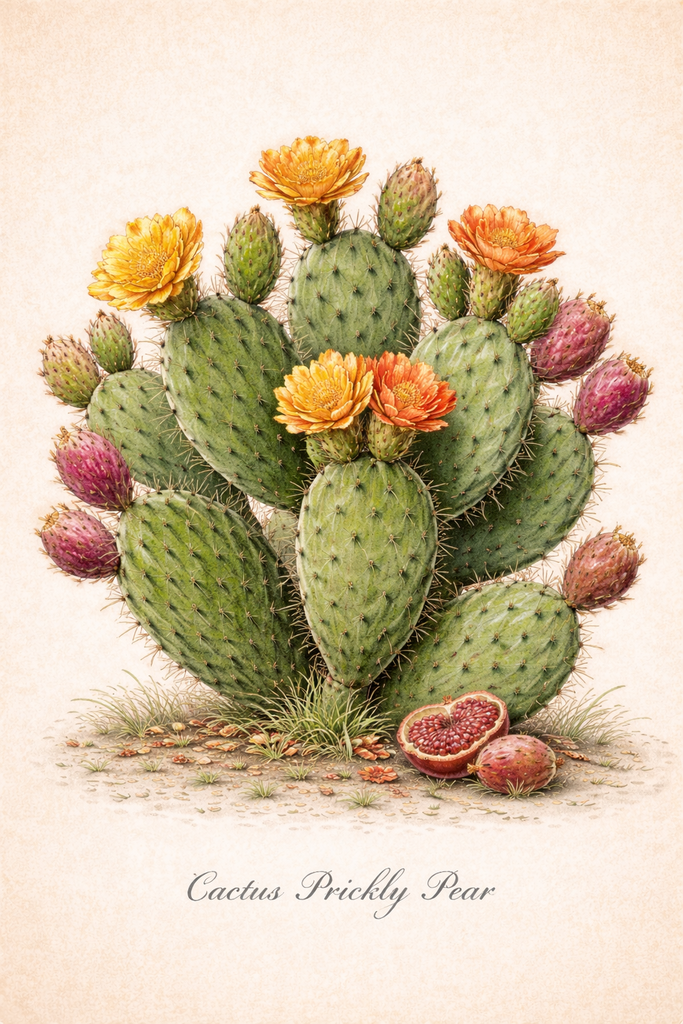
tepache cactus prickly pear Cactus Prickly Pear – Texas Tree FarmsThe Prickly Pear Cactus (Opuntia spp.) is an iconic symbol of the American West. Known for its flat, paddle like stems (cladodes) and delicious fruit (tunas), it is one of the most versatile plants in the worldserving as an ornamental, a food source, and a formidable security hedge. Scientific Name Opuntia (many species, such as O. ficus indica or O. humifusa) Foliage: Evergreen The "pads" are actually modified stems. In winter, cold hardy varieties
The Prickly Pear Cactus (Opuntia spp.) is an iconic symbol of the American West. Known for its flat, paddle-like stems (cladodes) and delicious fruit (tunas), it is one of the most versatile plants in the world—serving as an ornamental, a food source, and a formidable security hedge.
|
Scientific Name |
Opuntia (many species, such as O. ficus-indica or O. humifusa) |
|
Foliage: Evergreen |
The "pads" are actually modified stems. In winter, cold-hardy varieties may shrivel and look "deflated" to protect themselves from freezing; they plump back up in the spring Flowers: In late spring, they produce large, showy, bowl-shaped flowers in vibrant colors—usually bright yellow, orange, or hot pink. Fruit (Tunas): After the flowers fade, they produce egg-shaped fruits that turn deep red or purple when ripe. These fruits are edible and used for jellies, candies, and margaritas. Two Types of Spines: Most Prickly Pears have large, visible thorns, but they also have glochids. These are tiny, hair-like prickles that are often more irritating because they are hard to see and easily lodge in the skin. |
|
Mature Height |
1-15 feet (species dependent; most garden types are 3-4 feet) |
|
Mature Width (Spread) |
3-10 feet (spreading habit) |
|
Growth Rate |
Moderate |
|
USDA Zone |
4-11 (Varies by species; some survive Canadian winters) |
Plant Care & Characteristics
Light Requirements: Full Sun. It requires at least 6–8 hours of direct sunlight. In lower light, the pads will become thin, elongated, and pale, and the plant will fail to produce flowers or fruit.
Water Requirements: Low. Very water-efficient. During the first summer, water every 2 weeks to help roots establish. Once mature, natural rainfall is usually sufficient.
Drought Resistance: Extreme. It is designed to survive months without water by storing moisture in its thick, succulent pads.
Soil Type: Sandy, Gritty, or Rocky. Like the Cholla, it requires excellent drainage. It will quickly rot in heavy, soggy clay. It is very tolerant of alkaline and poor soils.
Deer Resistance: High. Most deer avoid it due to the spines. However, in extreme droughts, some deer or javelina may eat the pads despite the thorns to reach the water inside.
Prickly Pear is a "two-for-one" food plant:
Nopales: The young, tender green pads (with spines removed) are eaten as a vegetable.
Tunas: The sweet, magenta fruits are harvested in late summer.
Shipping Notes
- Free Standard Shipping on $100+ Orders to the USA.
- Except Preorder products are shipped in 48 hours.
- Delivery to the USA:
- Standard Shipping : 3-10 business days
- If time is of the essence, please consider selecting expedited delivery for faster service.
Exchange/Return Notes
- We offer a 30-day return/exchange service after receiving.
- Final sale items are not eligible for returns or exchanges.
- To process your return/exchange, please contact us at [email protected]
- Please click here for more details>>> Return & Exchange Policy